From Clay Model to Checkered Flag
Every Le Mans winner, every championship race car began as a clay model. Discover the design history behind motorsport's most iconic machines — and learn the same sculpting techniques used by Porsche, Ferrari, and McLaren.
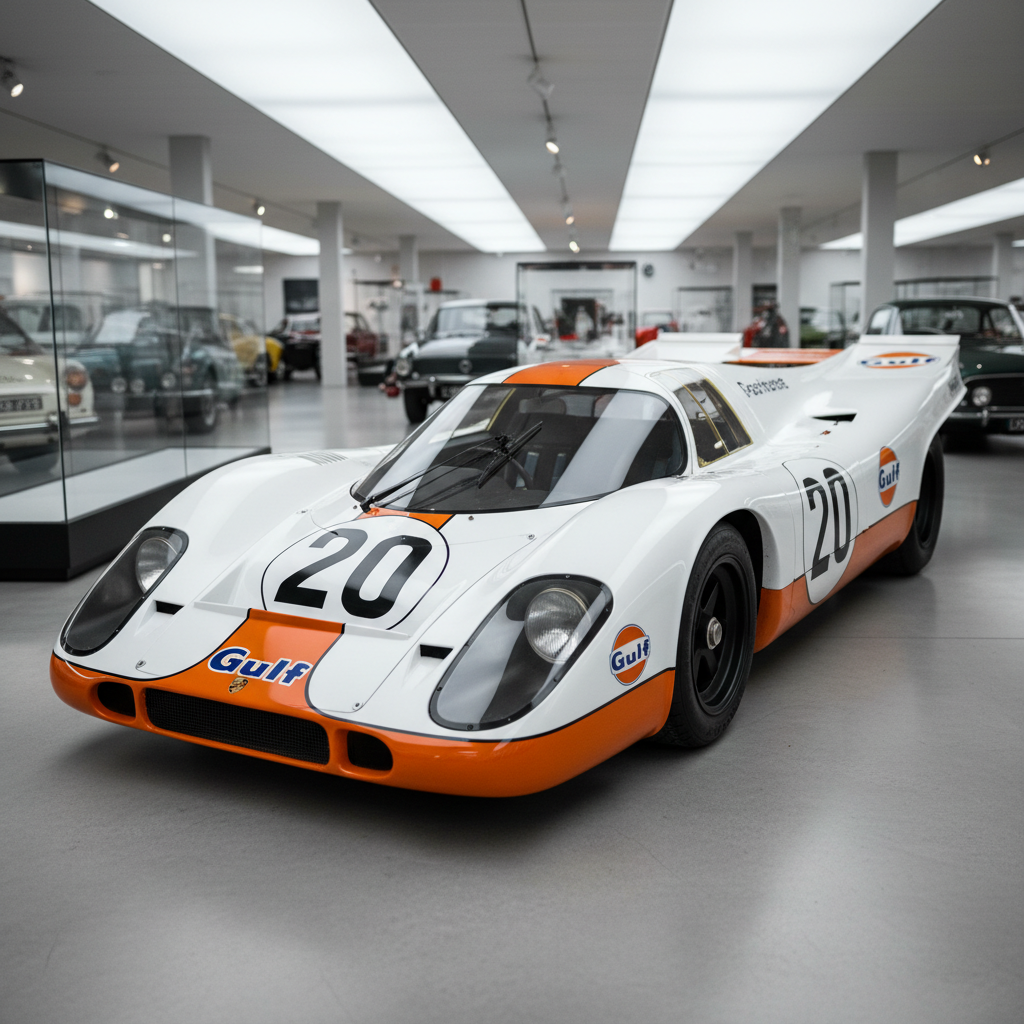
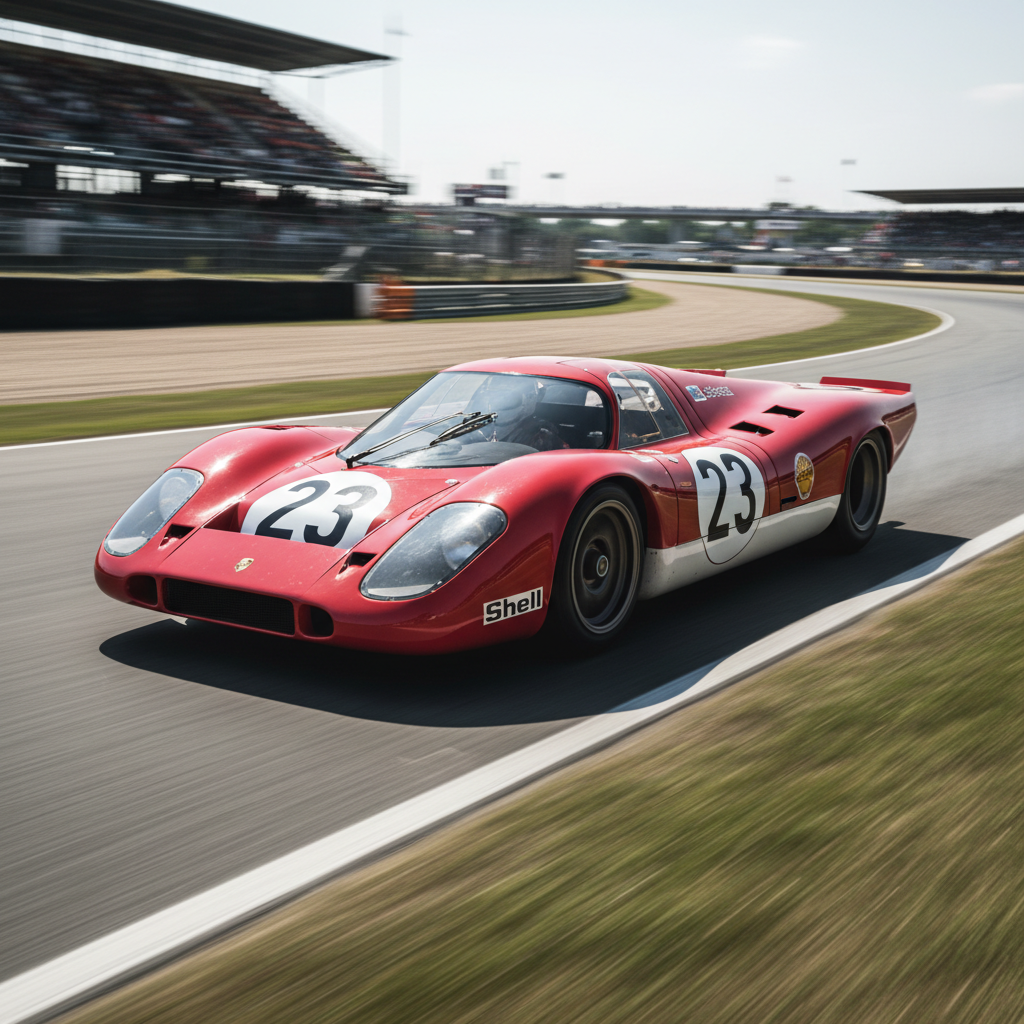
Porsche 917
Le Mans 24 Hours · 1969–71
"Aerodynamic clay studies in Paris wind tunnel solved the 917's dangerous lift problem at 240mph on the Mulsanne straight — the 1:4 scale clay model was discovered at Weissach in 2019"
Designer: Dick Söderberg / SERA Paris
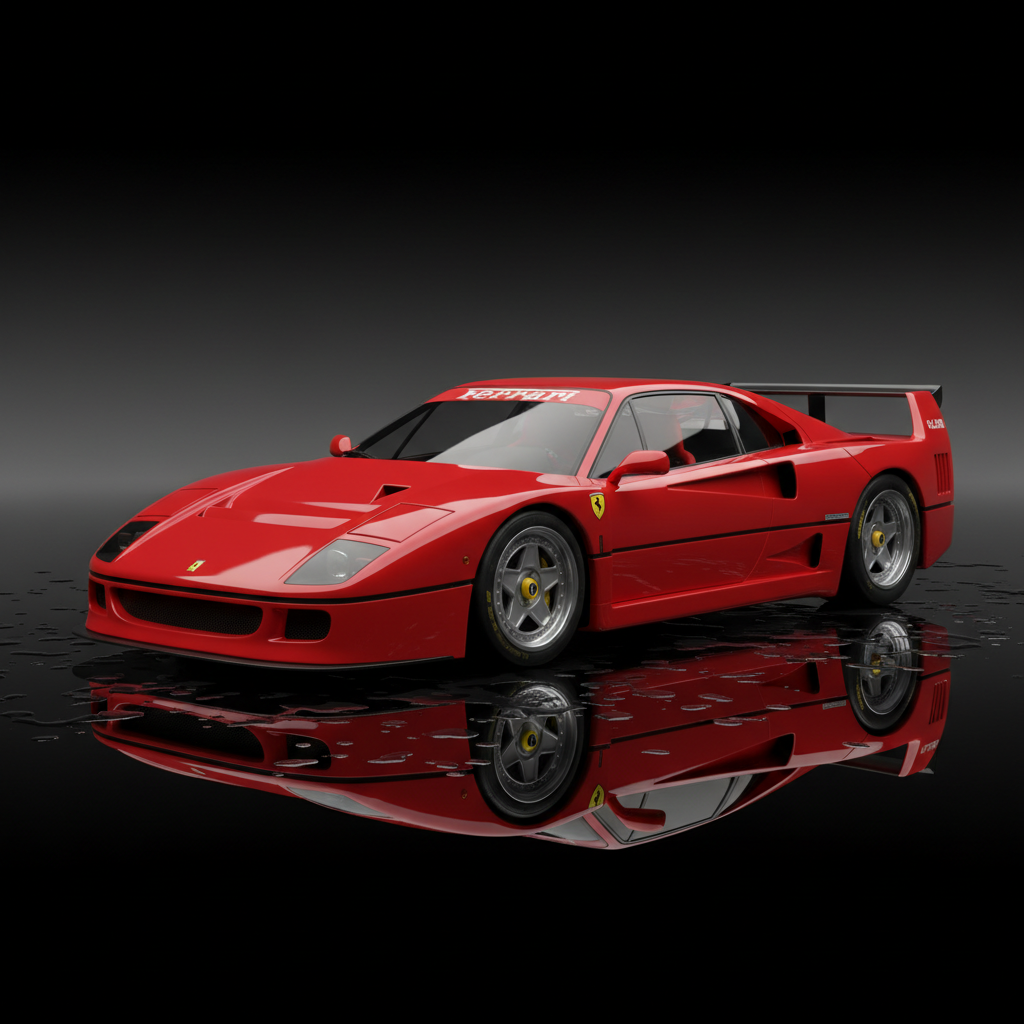
Ferrari F40
GT Racing / Le Mans · 1987–94
"Designed in just 13 months — Pininfarina's clay model went straight to wind tunnel testing, achieving the aerodynamic coefficients needed to break 200mph"
Designer: Leonardo Fioravanti, Pininfarina
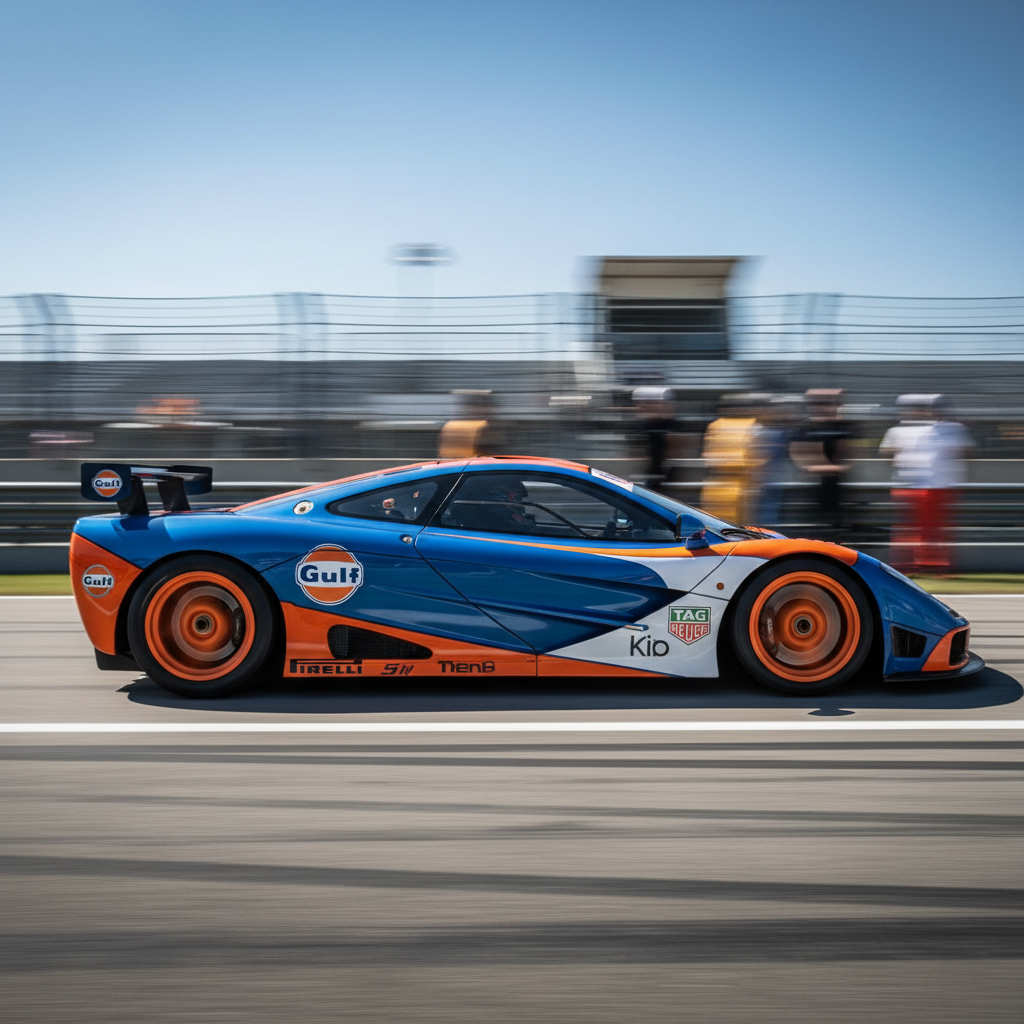
McLaren F1 GTR
Le Mans 24 Hours · 1995
"The road car's aerodynamic clay work was so effective that the race version required minimal modification — a testament to getting the clay right from the start"
Designer: Gordon Murray / McLaren
Aerodynamic Form
Understand how clay surface curvature directly affects airflow — the same principles used in Le Mans prototype development
1/10 Scale Technique
Master the 1/10 scale clay modeling process — from casting the buck to fiberglass layup — with PDF instructions and step-by-step images
Race Car Body Design
Apply design history knowledge to create your own race car body style — the ultimate goal of the Design Studio Pro™ course
Ready to design your own race car body? The 1/10 scale clay modeling course includes PDF instructions with images covering casting and fiberglass layup.
Clay Models & Race Car Design History
From wind tunnel clay studies to Le Mans winners — explore the design process behind motorsport's most iconic race cars, alongside legendary concept car clay models spanning nine decades.
From Clay to Checkered Flag
Every Le Mans winner, every championship-winning race car began as a clay model. The same sculpting techniques used by Porsche, Ferrari, and Audi to develop their race cars are the foundation of the 1/10 scale clay modeling course available in Design Studio Pro™.
Race Car Development
Porsche 917 — Le Mans Winner
1970
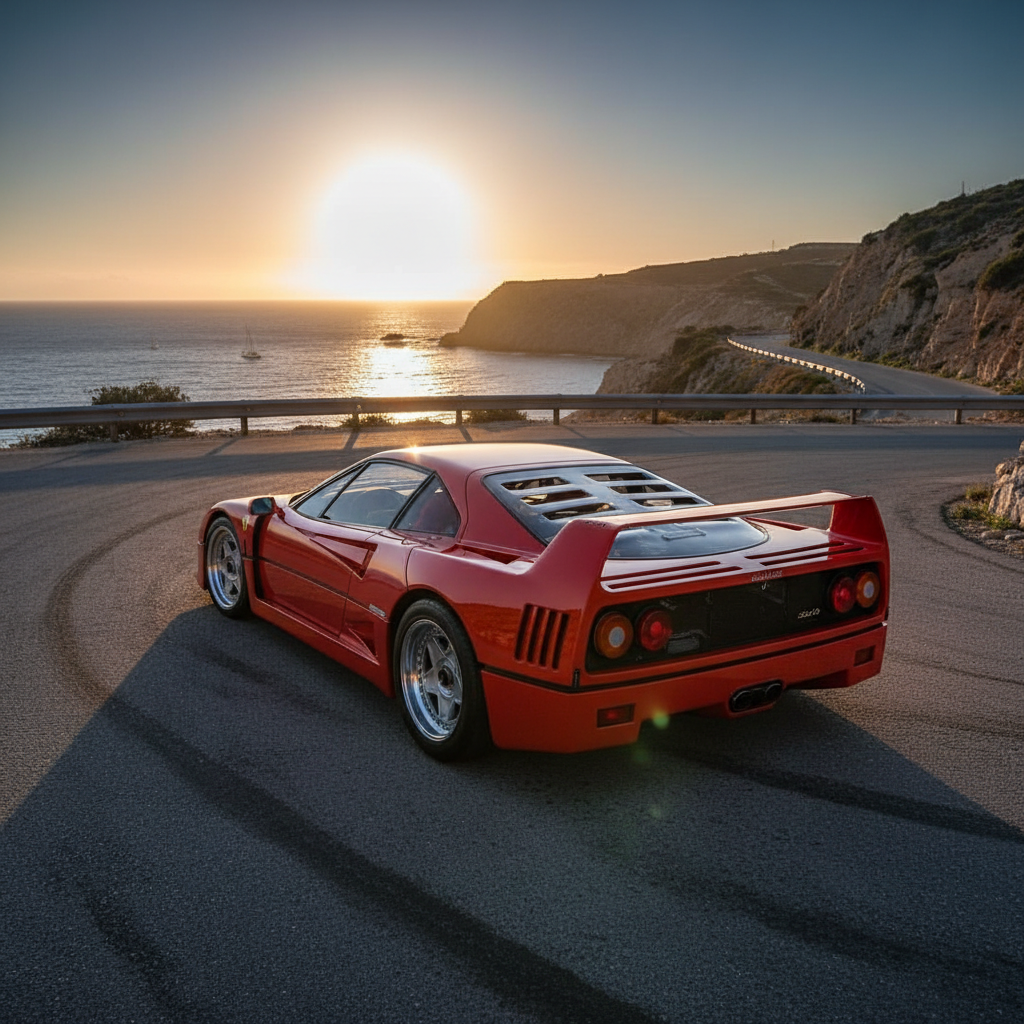
Race Car Development
Ferrari F40 — Pininfarina
1987
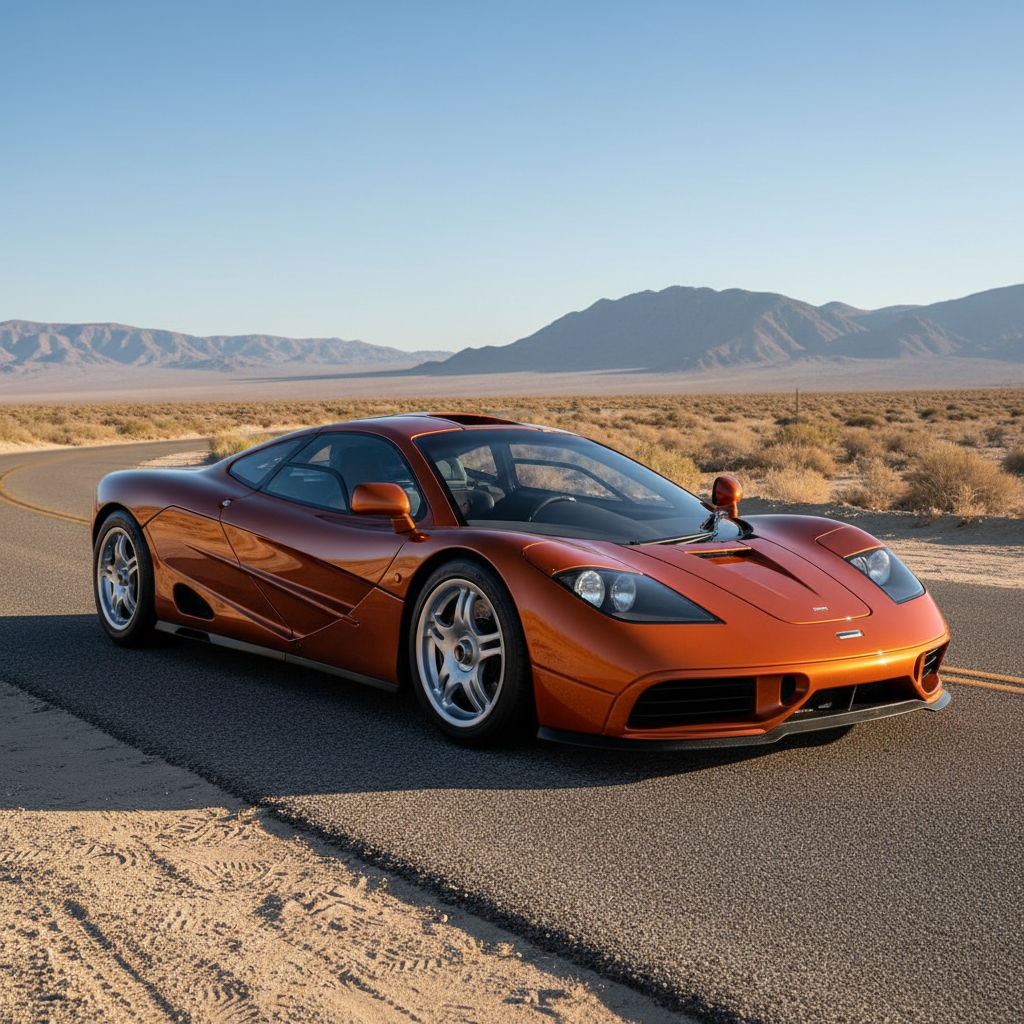
Race Car Development
McLaren F1 GTR
1995

Race Car Development
Audi R8 LMP — Le Mans Dynasty
2000
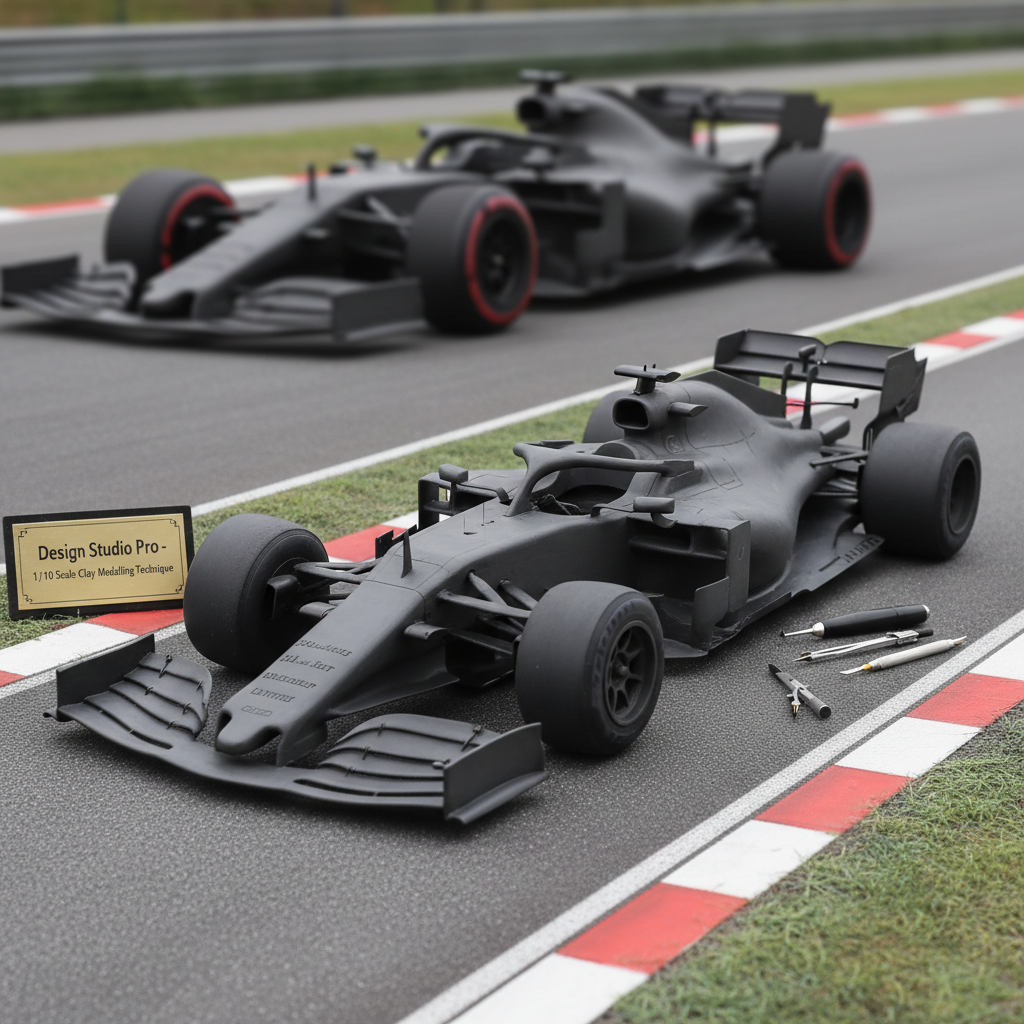
1/10 Scale Clay
F1 Scale Model Technique
2010s
Race Car History
Porsche 917 — Race Heritage
1970–71
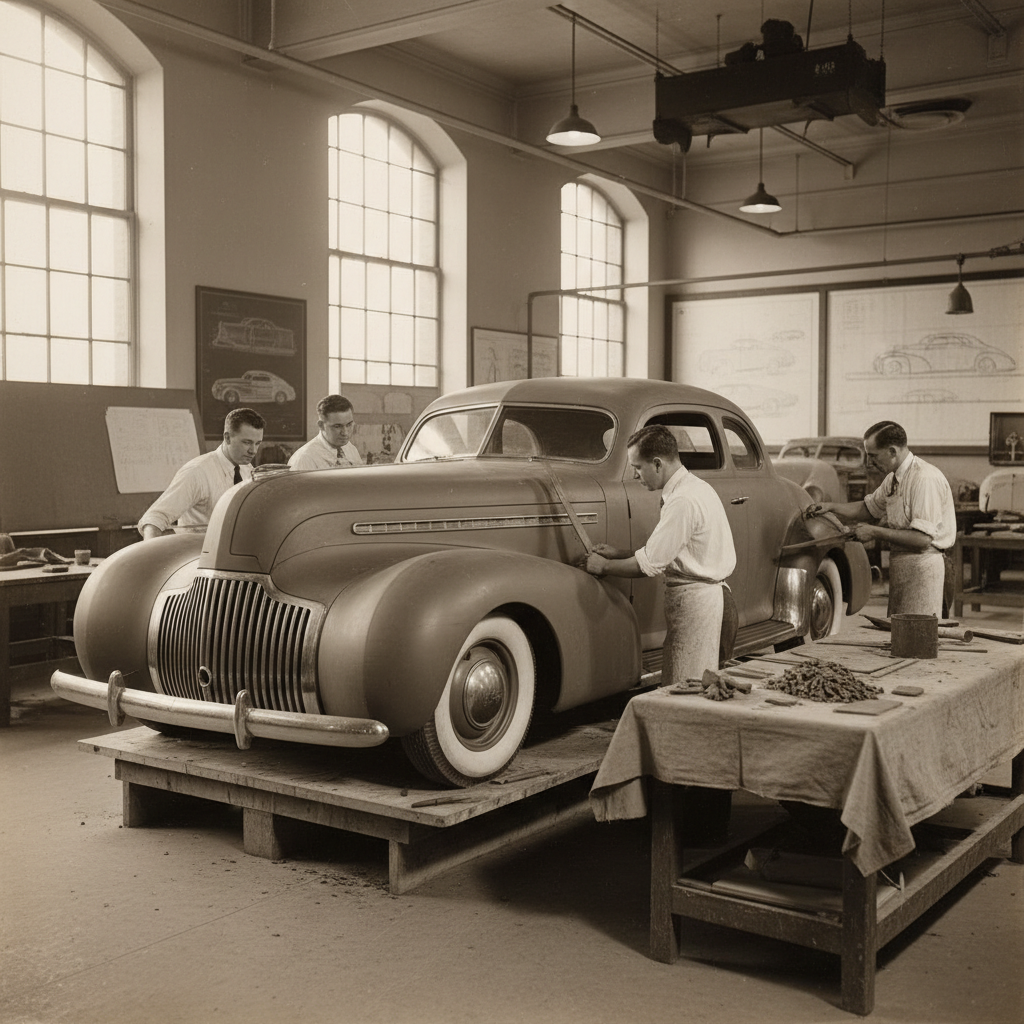
Concept Clay
Buick Y-Job Clay Model
1938
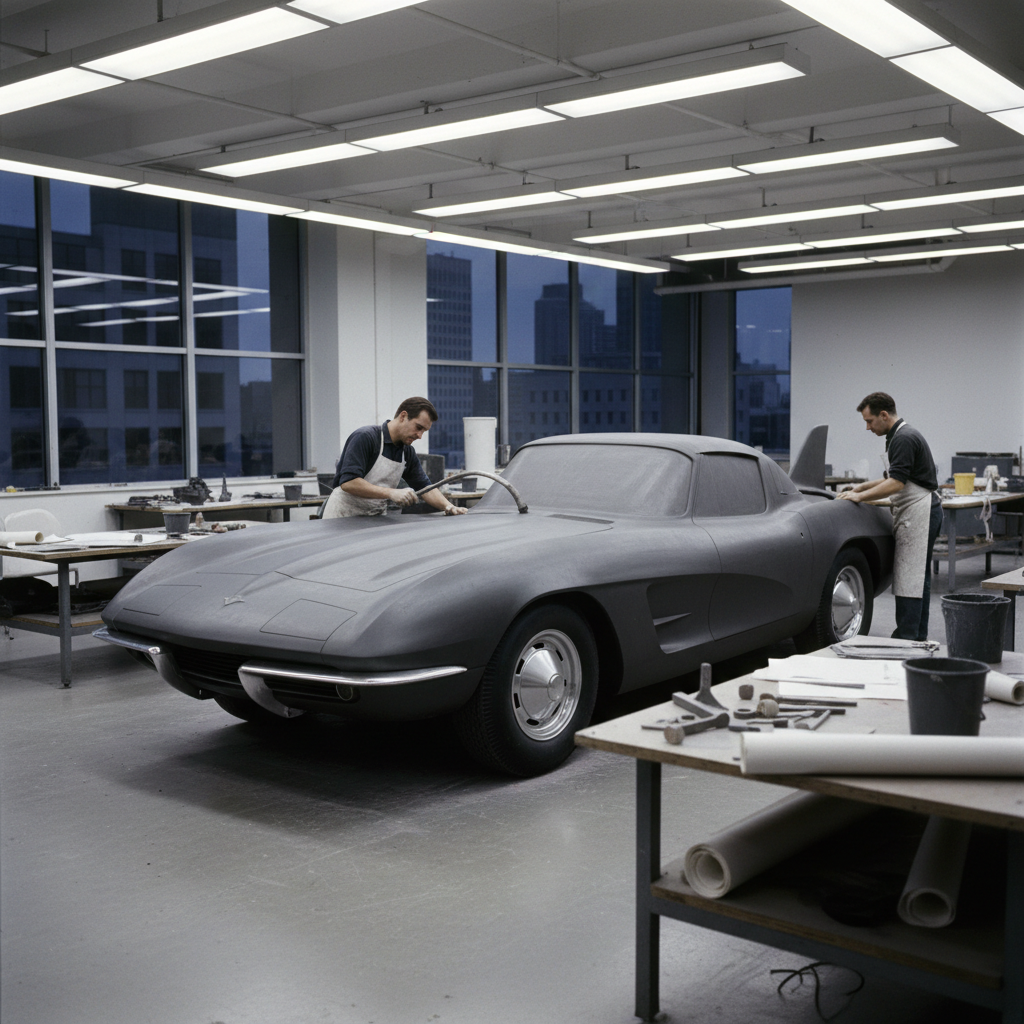
Concept Clay
Corvette Mako Shark
1961
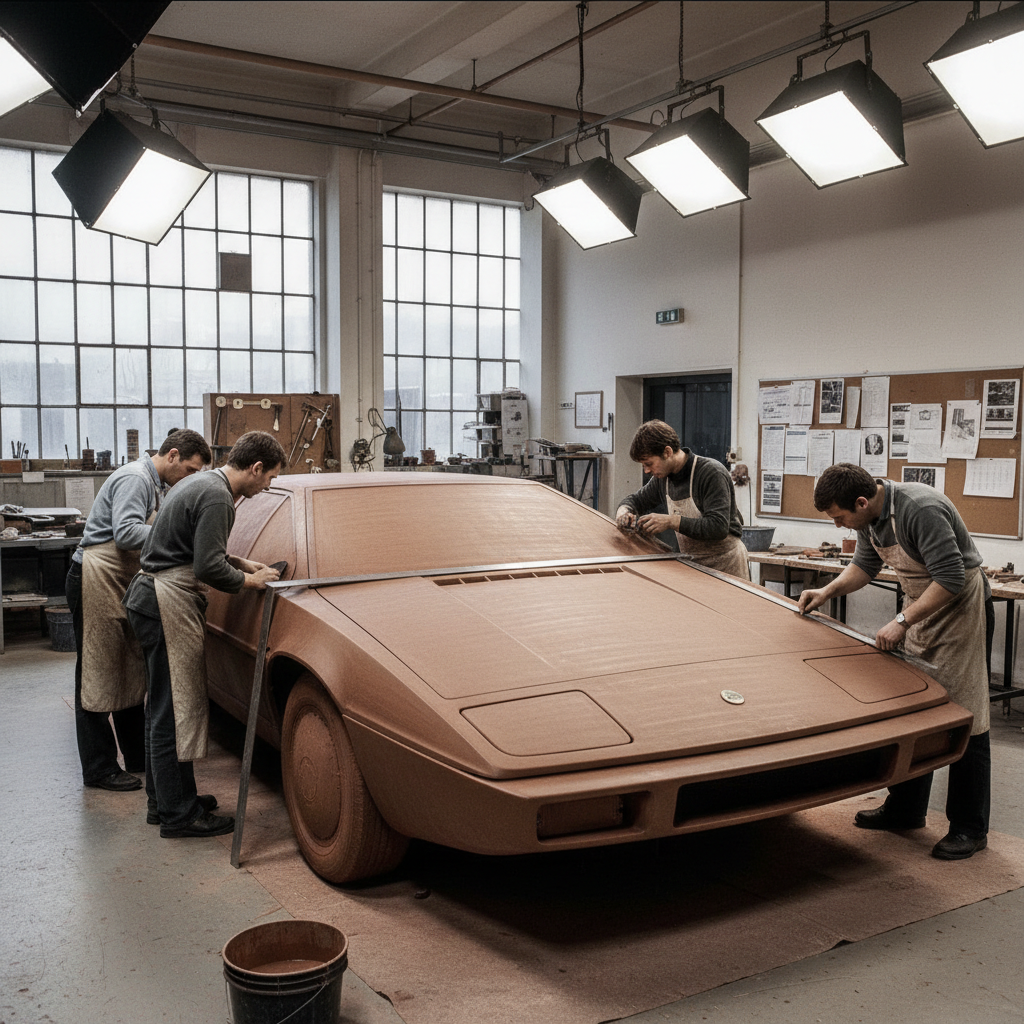
Concept Clay
Lotus Esprit Concept
1972
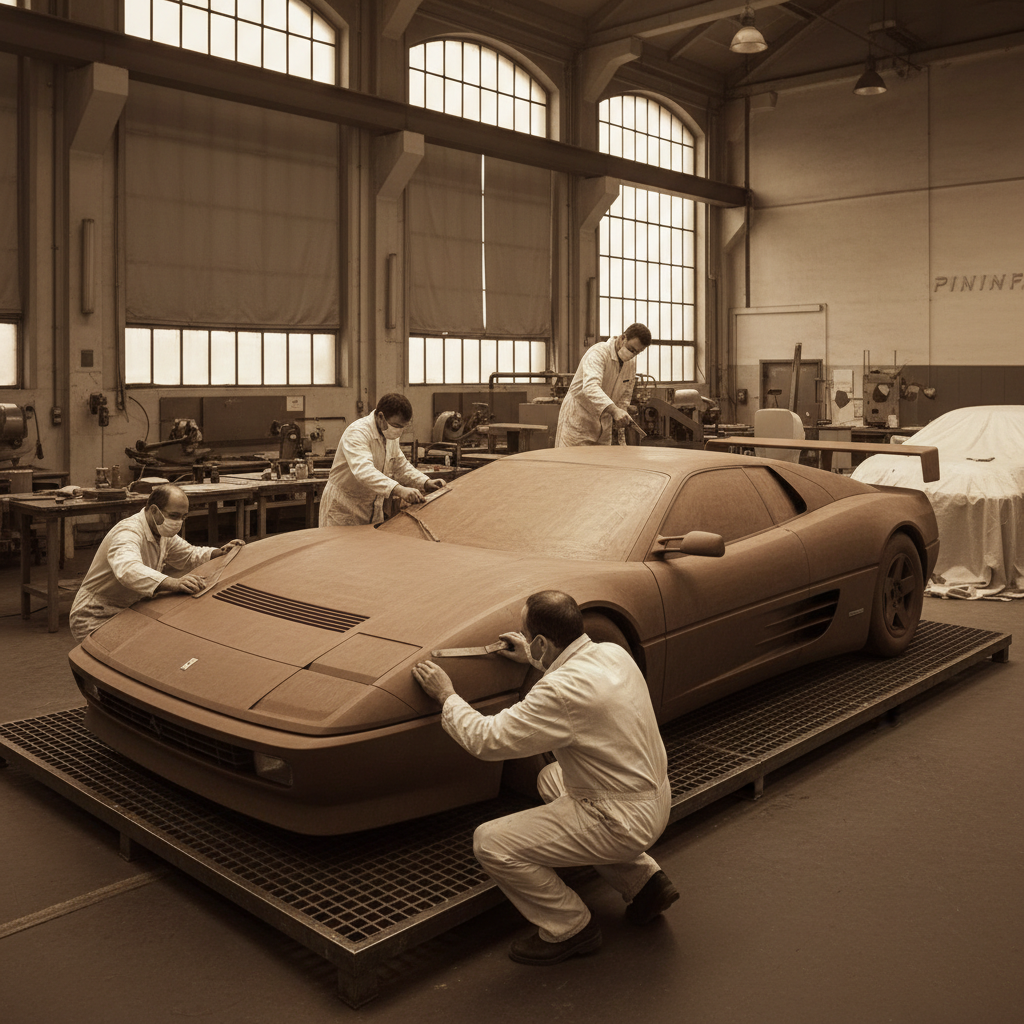
Concept Clay
Ferrari Pininfarina Study
1989
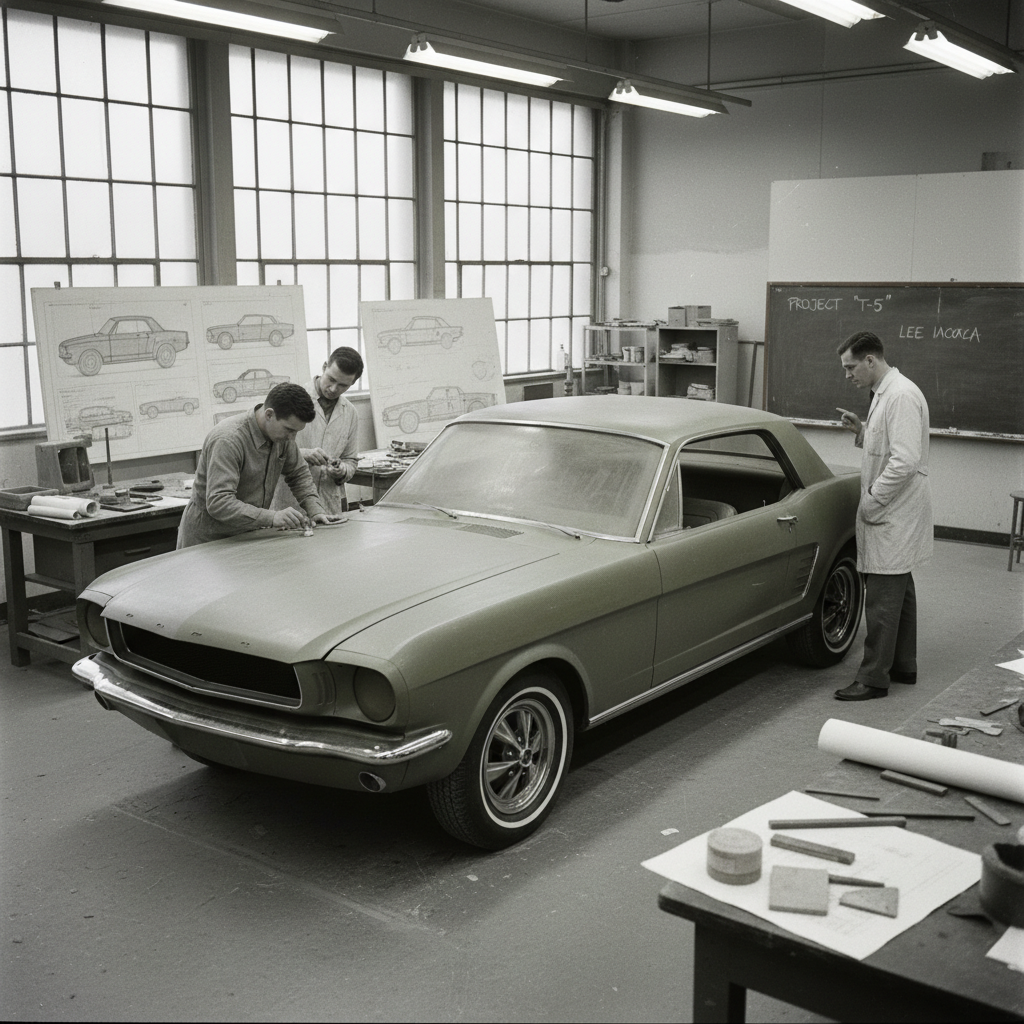
Concept Clay
Ford Mustang Clay Study
1963
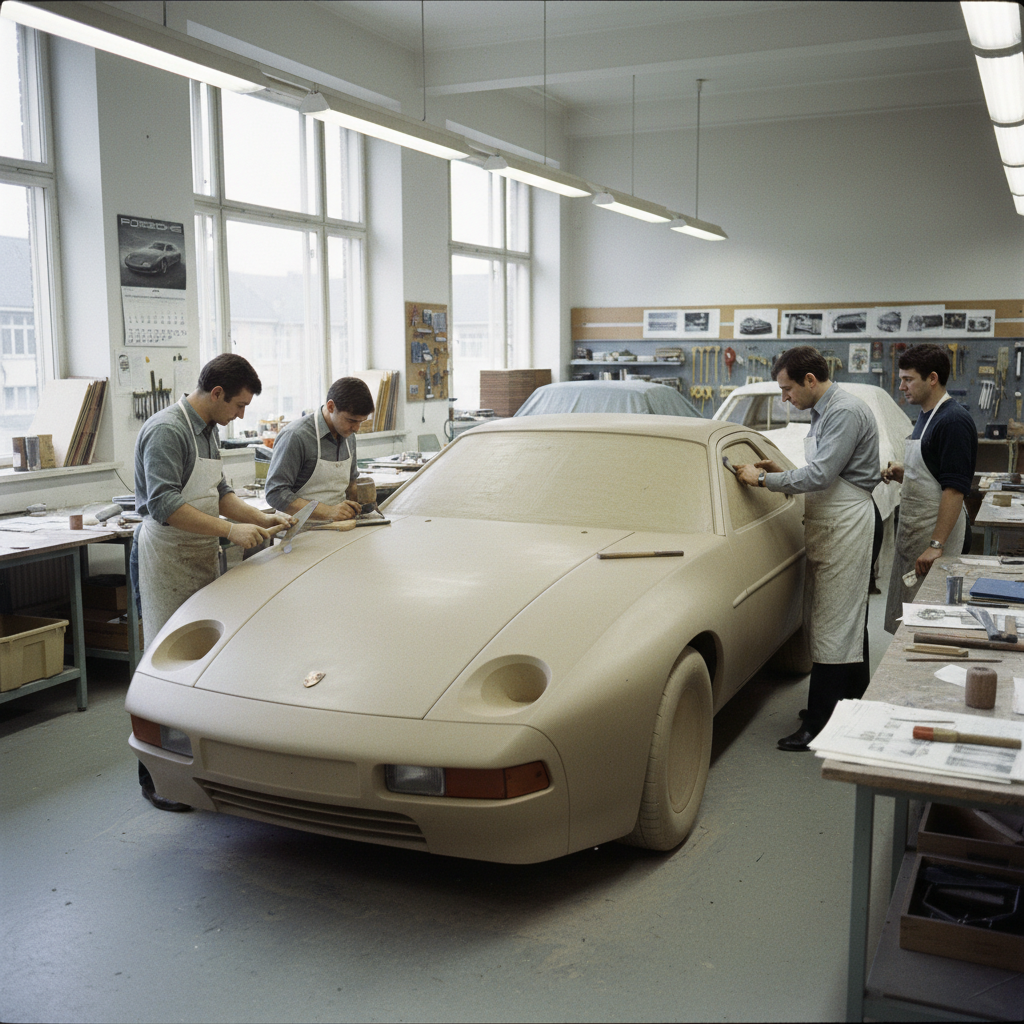
Concept Clay
Porsche 928 Studio Shot
1977
Sports Car & Race Car Design Stories
Drawn from the Car Styling magazine archive — the definitive record of sports car and race car design history. From Porsche's wind tunnel clay studies to Pininfarina's supercar masterworks, these are the design stories behind the most iconic race cars ever built.
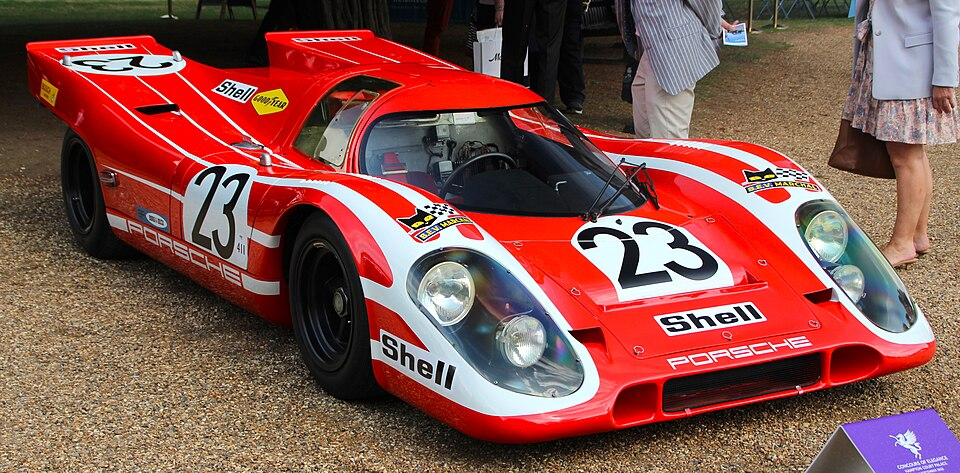
Car Styling — Race Car Design
The Porsche 917: When Clay Solved the Unsolvable
How plasticine and a Paris wind tunnel turned a death trap into a Le Mans legend
At 240mph on the Mulsanne straight, the Porsche 917 was trying to kill its drivers. The original short-tail body generated catastrophic lift — the car became airborne, unpredictable, lethal. The solution came not from computers, but from a 1:4 scale clay model in the SERA wind tunnel in Paris. Designer Dick Söderberg and aerodynamicist Hermann Burst worked in shifts, adding and removing plasticine, testing, refining. The short-tail 917K that emerged from those sessions — with its revised nose, flattened tail, and carefully sculpted underbody — won Le Mans outright in 1970 and 1971. The clay model had done what no drawing board could.
Car Styling — Pininfarina Special
Ferrari F40: Enzo's Final Clay
Leonardo Fioravanti's 13-month sprint from clay model to 200mph supercar
When Enzo Ferrari called Leonardo Fioravanti at Pininfarina in 1986, the brief was simple and impossible: build the fastest road car Ferrari had ever made, and do it in 13 months. Fioravanti's team began with clay — not sketches, not CAD, but full-scale plasticine. The F40's aggressive rear wing, its NACA duct intakes, its flat underbody and Kamm tail were all resolved in clay before a single engineering drawing was committed to paper. The result was a car that produced 478bhp, reached 201mph, and — in Le Mans specification — won its GT class at the 1994 24 Hours. The clay model had been the first Ferrari.
Car Styling — Gordon Murray Profile
McLaren F1: The Road Car That Won Le Mans
Gordon Murray's aerodynamic clay studies produced a road car so well-engineered it needed no modification to win outright
Gordon Murray's design philosophy for the McLaren F1 was radical: the aerodynamics would be resolved entirely through clay modeling before any wind tunnel time was booked. Murray believed that a designer who truly understood airflow could produce a correct shape in clay — the tunnel was for verification, not discovery. The F1's central driving position, its gold-lined engine bay, its carefully sculpted underbody diffuser — all emerged from clay studies at McLaren's Woking studio. When the GTR race version was prepared for Le Mans 1995, the aerodynamic package required minimal modification. The road car clay had been that good. Five F1 GTRs finished the 1995 Le Mans 24 Hours. The overall winner was essentially a road car.
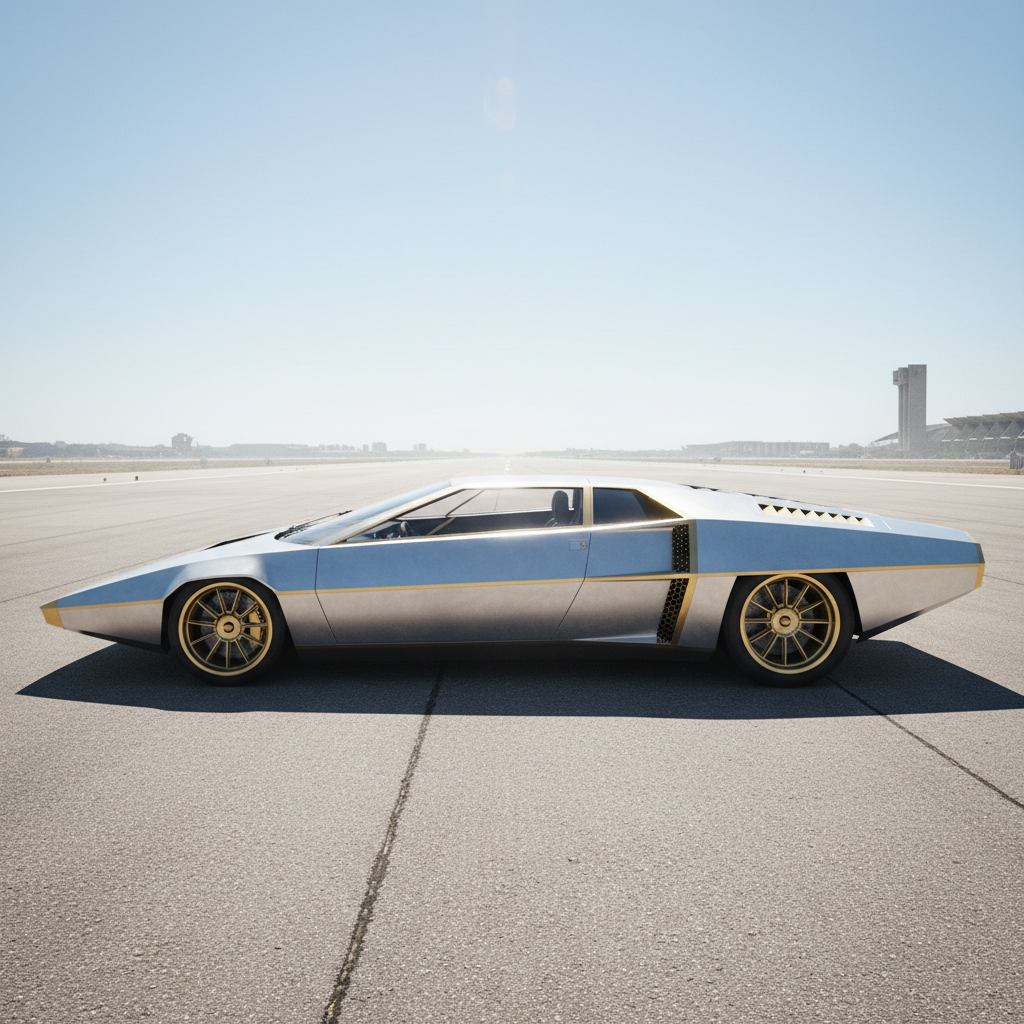
Car Styling — Bertone Studio
Countach: Bertone's Razor-Edge Clay Language
Marcello Gandini's wedge manifesto — how a clay model changed the definition of a sports car
When Marcello Gandini unveiled the Lamborghini Countach LP500 at Geneva in 1971, the automotive world had never seen anything like it. The car's razor-edge surfaces, its scissor doors, its impossibly low roofline — all were resolved in clay at Bertone's Grugliasco studio. Gandini worked with a small team of clay modelers, pushing the material to its geometric limits. The Countach's surfaces were not curved in the traditional sense — they were folded, creased, tensioned. Each panel was a study in controlled aggression. The production LP400 that followed in 1974 retained the essential clay language intact. Forty years later, Lamborghini's design director Mitja Borkert still describes the Countach as the definitive expression of the brand's DNA: "It broke every convention people had about automotive design."
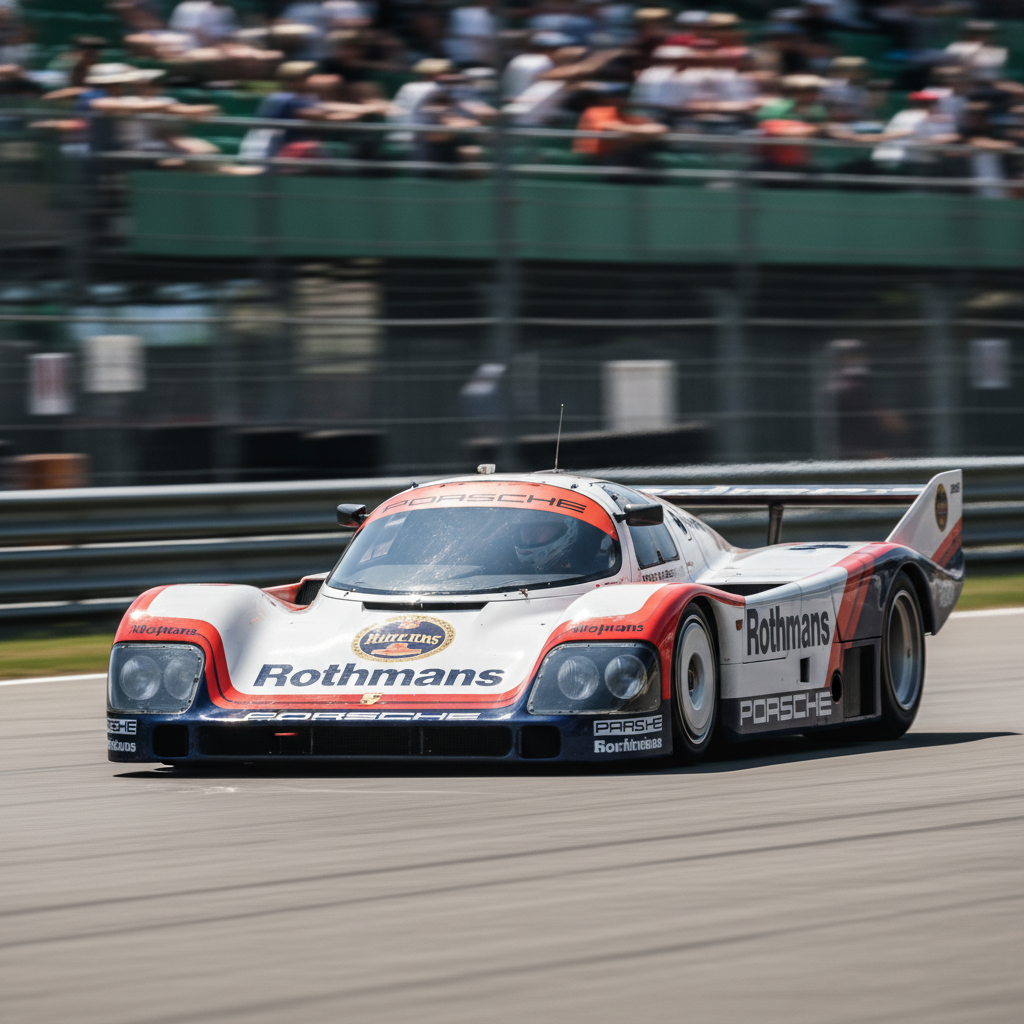
Car Styling — Group C Special
Porsche 962: Ground Effect in Clay
How Norbert Singer's team used clay modeling to master ground-effect aerodynamics across a decade of Le Mans dominance
The Porsche 956 and 962 represent the most sustained period of aerodynamic clay development in motorsport history. From 1982 to 1994, Norbert Singer's team at Weissach refined the ground-effect underbody through continuous clay studies — each season's car incorporating lessons learned from the previous year's wind tunnel sessions. The 962's distinctive long-tail Le Mans body was developed through 1:4 scale clay models tested at the FKFS wind tunnel in Stuttgart. The underbody venturi tunnels — the source of the car's extraordinary downforce — were shaped and reshaped in plasticine until the numbers were right. The 962 won Le Mans six times. Every victory was built on clay.
Car Styling — Prototype Design
Audi R8 LMP: CNC Clay and the New Prototype
How Audi's design team used CNC-milled clay to develop the most dominant Le Mans prototype of the 2000s
The Audi R8 Le Mans Prototype represented a new era in race car clay development. Where previous generations had relied on hand-sculpted plasticine, Audi's team at Ingolstadt used Alias surface data to drive CNC milling machines — producing a clay base that was then hand-refined by modelers. The process allowed for rapid aerodynamic iteration: a new underbody configuration could be milled overnight and tested in the wind tunnel the following morning. The R8's distinctive closed-cockpit body, its carefully managed front splitter, and its rear diffuser were all products of this hybrid digital-physical clay workflow. The car won Le Mans five consecutive times from 2000 to 2005. The clay model had been the prototype for the prototype.
Learn the Clay Techniques Behind These Race Cars
The same 1/10 scale clay modeling methods used by Porsche, Ferrari, and Audi to develop their Le Mans winners are taught in the Design Studio Pro™ masterclass. Build your own race car clay model using professional techniques.